Paphos
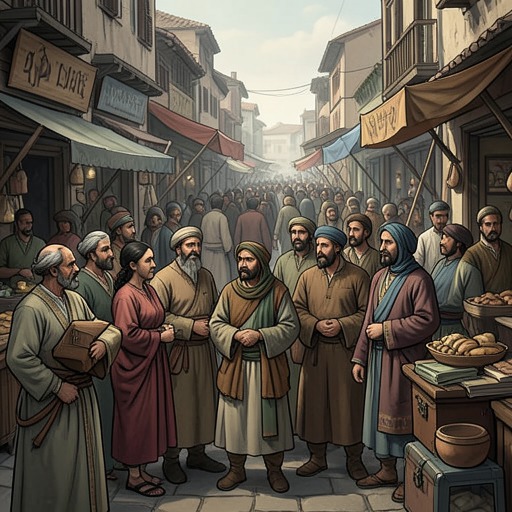
Acts of the ApostlesPaphos, a city on the southwestern shore of Cyprus, is the setting for a decisive encounter in the account of the early Christian mission: the Roman proconsul Sergius Paulus hears the witnesses’ message, faces opposition from Bar-Jesus, and believes after Bar-Jesus becomes blind. The episode places the message of the Realm in the presence of Roman authority and makes Paphos a stage for the narrative’s expanding witness to gentiles.
Setting and Narrative Context
In the account of the mission associated with Barnabas and Paul, the travelers sail to Cyprus and make their way from the island’s eastern edge, stopping at synagogues before reaching Paphos on the southwest coast. The narrative’s movement through named locations gives geography a theological role: Acts traces witness from Jerusalem and Judea, through Samaria, and toward the ends of the earth. The encounter at Paphos belongs to that outward movement, where a gentile official becomes a hearer of the message.
Paphos is represented not merely as a destination but as a place where the Realm’s claim encounters the arrangements of the old age. Sergius Paulus is a proconsul, a Roman governor responsible for the province. His position connects the city’s local decision to the wider political power of the Roman Empire. Belief in the Realm therefore carries a choice about which message and authority will guide him.
The Governor and Bar-Jesus
Sergius Paulus summons the travelers to hear their message. Bar-Jesus, also called Elymas, is a Jewish magician who is with the proconsul, perhaps as a religious adviser. The account describes ancient magic as an attempt to manipulate the forces of the universe. It also presents Bar-Jesus as a false prophet and as a figure who opposes the disciples, seeking to persuade the governor to turn away from faith.
The conflict has a material and relational stake as well as a religious one. If Sergius Paulus believes that God is bringing the Realm through Jesus, Bar-Jesus risks losing the governor’s attention and the social standing connected with that relationship. The proconsul must decide whether to remain aligned with the familiar adviser or accept a message that challenges the values and representatives of the old age.
Judgment and Belief
Influenced by the Holy Spirit, Paul names Bar-Jesus’s theological and ethical inadequacy. Paul becomes the channel through whom judgment is pronounced, and Bar-Jesus becomes blind. The outcome makes his condition visible within the story, while also showing the Spirit’s role in the confrontation.
Sergius Paulus sees what happens and believes. His response reverses the expected hierarchy of insight in the episode: the gentile governor responsible for enacting Roman rule in Paphos displays greater theological discernment than Bar-Jesus, who is Jewish but is portrayed as compromised by magic and opposition to the message. The narrative thus makes the proconsul’s belief a concrete instance of the mission’s reach beyond Jewish communities.
Narrative Significance and Tension
The Paphos episode contributes to Luke’s explanation of why the movement turns its energy toward gentiles. Its contrast is deliberately sharp: a high-status Roman official recognizes the significance of the message, while a Jewish religious figure resists it. The book uses this vignette to ask readers to notice how people and institutions may become entangled with false values and manipulative practices, and how those associated with political power may sometimes show ethical and theological insight that religious insiders lack.
That contrast also requires care. The account does not warrant treating Bar-Jesus as representative of Jewish people as a whole. The book frames Luke’s criticism of some Jewish people as an internal family dispute, while describing Judaism’s mission in terms of being a light to the gentiles. Read in that wider context, Paphos marks a turning point in the spread of witness, not a license for hostility toward Jews: the episode’s decisive result is that a gentile governor believes and the mission advances.